
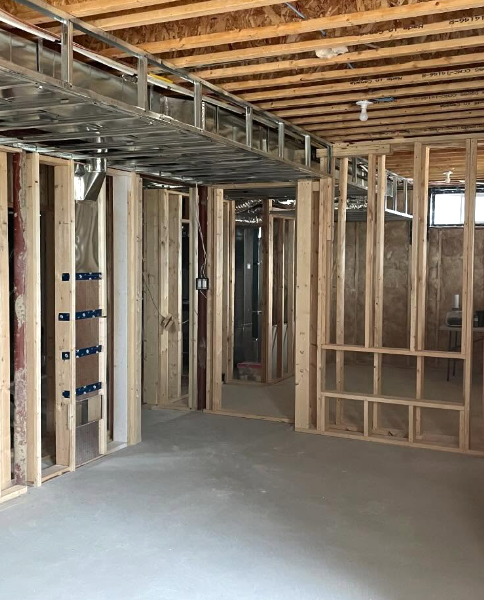
Planning to upgrade your basement in Aurora, Ontario? Finding the right contractor for your Aurora Basement Renovations is a big step. It’s not just about picking someone who can swing a hammer; it’s about finding a professional who understands your vision and can bring it to life without a hitch. A good contractor makes the process smooth, while the wrong one can turn your dream project into a headache. This checklist will help you sort through your options and find the best fit for your home.
Key Takeaways
-
Always check if a contractor is properly licensed and insured. This protects you and your investment.
-
Review past projects and talk to previous clients. Their experiences can tell you a lot about a contractor’s work quality and reliability.
-
Get a detailed, written estimate and a clear contract before any work begins. This prevents misunderstandings about cost and scope.
1. License Verification
When you’re looking to get your basement redone, the first thing you should really check is if the contractor has the right paperwork. It’s not just about them being legit; it’s about protecting yourself. Think about it, you’re letting someone work on a big part of your house. You want to know they’re allowed to do those kind of Aurora basement renovations.
Always ask to see their provincial or municipal business license. This shows they’re operating legally. You can usually check these licenses online through the city’s website or a provincial business registry. It’s a simple step, but it weeds out a lot of potential problems right away.
Here’s what to look for:
-
Valid Business License: Confirm they have a current license to operate in Aurora.
-
Trade-Specific Certifications: Depending on the work (like electrical or plumbing), they might need special certifications. Ask about these.
-
Proof of Registration: Some contractors might be registered with specific industry associations. This isn’t always required, but it can be a good sign.
Don’t be shy about asking for this information. A professional contractor will have no problem showing you their credentials. If they hesitate or can’t provide it, that’s a big red flag.
It’s also a good idea to check if they have liability insurance. While not strictly a license, it’s another layer of protection. This covers any accidental damage that might happen to your home during the renovation. You don’t want to be on the hook for something that wasn’t your fault.
2. Ensure your Aurora Basement Renovations Contractor Has Insurance Coverage
When you’re looking to get your basement renovated, one of the most important things to check is if the contractor has the right insurance. This isn’t just a formality; it’s about protecting yourself and your home.
A contractor should carry both general liability insurance and workers’ compensation insurance. General liability covers any damage that might happen to your property during the renovation. Think accidental damage to walls, floors, or even something more serious. Workers’ compensation is for their employees. If one of their workers gets injured on your property, this insurance makes sure you aren’t held responsible for their medical bills or lost wages.
It’s a good idea to ask for proof of insurance from any contractor you’re considering. You’ll want to see copies of their policies and confirm they’re current. This step is pretty straightforward but can save you a lot of headaches down the road.
Here’s a quick rundown of what to look for:
-
General Liability Insurance: Covers property damage and injuries to third parties.
-
Workers’ Compensation Insurance: Covers injuries to the contractor’s employees.
-
Bonding: While not strictly insurance, bonding offers another layer of financial protection if the contractor fails to complete the job or meet certain obligations.
Don’t just take their word for it. Always ask to see the insurance certificates and verify their validity. It’s a standard practice for reputable contractors.
Making sure your contractor is properly insured is a key part of hiring someone you can trust with your home renovation project.
3. Portfolio Review
Before you even think about signing anything, you need to see what a contractor has actually done. A portfolio is like a contractor’s resume for past projects. It shows their style, the quality of their work, and the types of renovations they’re experienced with. Look for projects that are similar to what you have in mind for your basement.
Don’t just look at the photos; try to understand the scope of the work. Did they handle complex layouts? Did they incorporate custom features? A good portfolio will give you a real sense of their capabilities.
Here’s what to look for:
-
Before and After Photos: These are the most telling. They show the transformation and the contractor’s ability to solve problems.
-
Project Variety: Does the contractor handle different styles and types of basement renovations, or do all their projects look the same?
-
Attention to Detail: Zoom in on the photos. Look at the finishes, the trim work, the way cabinets are installed, and the overall cleanliness of the finished space.
-
Consistency: Is the quality consistent across different projects, or does it vary wildly?
A contractor’s portfolio is more than just pretty pictures; it’s a visual record of their past performance and a strong indicator of what you can expect for your own home. If a contractor doesn’t have a portfolio, or if what they show you doesn’t impress, it’s usually a good sign to keep looking.
When reviewing a portfolio, consider if their aesthetic aligns with your vision. You want someone who can bring your ideas to life, not impose their own style on your project.
4. Client References
Talking to past clients is a really smart move when you’re looking for a contractor. It’s like getting a sneak peek into what it’s actually like to work with them, beyond just what they say on their website. You want to hear about their experience, how the project went, and if they were happy with the final result.
When you ask for references, don’t just take the names they give you. Try to ask a few specific questions. For example:
-
Did the contractor stick to the agreed-upon budget?
-
Was the project completed on time, or were there significant delays?
-
How was the communication throughout the renovation process?
-
Were there any unexpected issues, and how were they handled?
-
Would you hire this contractor again for another project?
Hearing directly from people who have already gone through a renovation with the contractor can give you a much clearer picture of their reliability and quality of work. It’s also a good idea to ask if they have any projects similar to yours that you could potentially see or get more details on. This helps you gauge their experience with the specific type of work you need done. If a contractor hesitates to provide references, or if the references they provide seem vague or unenthusiastic, that’s a definite red flag.
5. Detailed Written Estimate
When you’re looking to get your basement renovated, one of the most important things you’ll want to get from a contractor is a detailed written estimate. This isn’t just a quick quote scribbled on a napkin; it’s a breakdown of everything involved in the project. A thorough estimate protects both you and the contractor by clearly outlining the scope of work, materials, and costs.
What should you expect in this document? For starters, it should list out all the materials needed, from lumber and drywall to fixtures and paint. It should also detail the labor involved, specifying tasks and the estimated time for each. Don’t forget to look for information on permits, potential fees, and a clear payment schedule. A good estimate will also give you an idea of the project timeline, though we’ll cover that more in point 8.
Here’s a quick checklist of what to look for:
-
Materials: A comprehensive list of all supplies, including brands or types if specified.
-
Labor: Breakdown of tasks and estimated hours.
-
Permits & Fees: Any required permits and associated costs.
-
Payment Schedule: When payments are due, often tied to project milestones.
-
Contingency: A buffer for unexpected issues, usually a percentage of the total cost.
It allows you to compare offers from different contractors apples-to-apples and makes sure you’re on the same page about what the final cost will be. It’s a key step in avoiding budget blowouts and ensuring the project stays on track.
A vague estimate can lead to unexpected charges later. Always ask for a written document that breaks down every cost, from the smallest screw to the biggest structural change. This transparency is vital for a smooth renovation experience.
6. Contract Clarity
Before you hand over any money or sign on the dotted line, you need to make sure the contract makes sense. This isn’t just a formality; it’s the rulebook for your entire basement renovation project. A good contract spells out exactly what’s going to happen, when it’s going to happen, and how much it’s all going to cost. It protects both you and the contractor.
Here’s what you should be looking for:
-
Scope of Work: This section needs to be super specific. It should detail every task the contractor will perform, the exact materials they plan to use (brand names, model numbers if possible), and who is responsible for what. If subcontractors are involved, they should be listed here too.
-
Payment Schedule: How and when do you pay? A fair schedule usually ties payments to project milestones. Avoid contractors who demand a huge chunk of the money upfront. A typical structure might look something like this:
-
Initial deposit (usually 10-30%)
-
Payment upon completion of framing
-
Payment upon completion of drywall and insulation
-
Final payment upon project completion and your approval
-
-
Change Order Process: Renovations rarely go exactly as planned. What happens if you decide you want a different type of tile, or the contractor discovers an unexpected issue? The contract should outline how change orders are handled – usually requiring a written amendment signed by both parties, detailing the cost and time implications.
-
Dispute Resolution: What happens if you and the contractor disagree on something? The contract should have a clause explaining how disputes will be settled, whether through mediation, arbitration, or another agreed-upon method.
A contract is more than just paper; it’s a clear agreement that sets expectations and prevents misunderstandings down the road. Read it carefully, ask questions, and don’t sign until you’re completely comfortable with every detail.
7. Warranty and Guarantee
When you’re looking at contractors for your basement renovation, don’t forget to ask about their warranty and guarantee policies. This is a really important part of the process, honestly. It’s basically the contractor’s promise that they stand behind the work they do. A good contractor will offer some kind of guarantee on both the materials they use and their workmanship.
Think about it: what happens if something goes wrong a few months down the line? A solid warranty means you won’t have to pay extra to fix issues that pop up due to faulty work or materials. It gives you peace of mind, knowing your investment is protected.
Here’s what to look for:
-
Material Warranties: Ask if the contractor provides manufacturer warranties for things like flooring, fixtures, or waterproofing materials. These can vary a lot.
-
Workmanship Guarantee: This covers the actual labor. How long does the contractor guarantee their work? What exactly is covered under this guarantee? Some might cover specific issues for a year, others longer.
-
Follow-Up Service: Does the contractor offer any kind of follow-up or maintenance check after the project is done? It’s a good sign if they’re willing to come back and make sure everything is still holding up.
It’s vital to get all the details about the warranty in writing. Don’t just take someone’s word for it. Make sure it’s clearly laid out in the contract. This way, there are no surprises later on.
Understanding the specifics of what’s covered, for how long, and the process for making a claim is just as important as the renovation itself. It’s about ensuring the long-term quality and your satisfaction with the finished basement.
8. Project Timeline
A basement renovation is a big undertaking, and understanding the expected timeline is key to managing expectations. It’s not just about when the work starts, but also about how long each phase will take. A clear, realistic project timeline helps prevent surprises and keeps everything moving smoothly.
Several factors influence how long your basement renovation will take. The scope of the work is a major one. Are you just adding some finishing touches to an already framed space, or are you starting from scratch with demolition and new layouts? The size of your basement also plays a role, as does the complexity of the design and the specific materials you choose. If you’re opting for custom features or high-end finishes, these can sometimes add extra time for ordering and delivery. Don’t forget about potential delays like obtaining permits or unexpected issues that might pop up once the work begins, such as discovering old plumbing or electrical problems.
Here’s a general breakdown of what you might expect:
-
Planning and Design: This initial phase, where you finalize your vision and the contractor draws up plans, can take anywhere from one to two weeks. This is where you’ll work with your contractor to nail down the details.
-
Permitting and Approvals: Depending on the extent of the work and local regulations, this step can add a few days to a couple of weeks.
-
Demolition (if needed): If existing structures need to be removed, this could take a few days.
-
Framing and Rough-Ins: Building new walls and installing plumbing, electrical, and HVAC systems typically takes one to two weeks.
-
Insulation and Drywall: This stage usually takes about a week.
-
Finishing Touches: This includes painting, flooring, trim work, and installing fixtures. This can take anywhere from one to three weeks, depending on the complexity.
-
Final Inspection and Clean-Up: The last step, ensuring everything is up to code and the space is clean, usually takes a few days.
While a typical basement renovation might take anywhere from 4 to 8 weeks from start to finish, it’s important to get a detailed schedule from your chosen contractor. This schedule should outline each phase and provide estimated completion dates.
When discussing the timeline, ask your contractor about their process for handling unexpected issues. Good communication is vital here. For instance, if they discover a minor plumbing problem, how quickly can they address it, and how will it impact the overall schedule? Understanding these details upfront can save a lot of stress later on. You can find more information on basement remodeling services to get a better idea of what’s involved in transforming your basement.
9. Communication Practices
When you’re looking to hire someone for a big project like a basement renovation, how they talk to you is a really big deal. It’s not just about getting the job done; it’s about feeling comfortable and informed the whole way through. Good communication means fewer surprises and a smoother process for everyone involved.
Think about it: you’re letting strangers into your home, and they’ll be making significant changes. You need to know what’s happening, when it’s happening, and why. A contractor who keeps you in the loop makes all the difference. This includes:
-
Regular Updates: They should provide updates on progress, even if it’s just a quick text or email saying things are on schedule. For larger projects, more formal check-ins might be scheduled.
-
Clear Explanations: If there’s a change in plans or a problem arises, they should explain it clearly, not just brush it off. You should understand the issue and the proposed solution.
-
Accessibility: You should be able to reach them when you have questions or concerns. This doesn’t mean they have to answer the phone at 2 AM, but they should respond within a reasonable timeframe.
It’s also helpful to discuss how they prefer to communicate. Do they like phone calls, emails, or in-person meetings? Knowing this upfront can prevent misunderstandings. For instance, some contractors, like DegianDesign, make a point of providing regular updates and transparent pricing, which really helps clients feel confident.
A contractor who communicates well isn’t just being polite; they’re showing respect for your home, your time, and your investment. It’s a sign of professionalism and a good indicator of how they’ll manage the actual renovation work.
Don’t be afraid to ask potential contractors about their communication style during your initial meetings. You can even ask for examples of how they’ve handled difficult conversations or unexpected issues with past clients. This conversation is as important as discussing the technical details of the renovation itself.
Keeping everyone in the loop is super important. We make sure to talk clearly and listen well throughout your project. Want to see how we keep things smooth? Check out our communication tips on our website.
Wrapping Up Your Contractor Search
Finding the right contractor for your basement renovations in Aurora, Ontario might seem like a big task, but it doesn’t have to be. By following these nine steps, you’re setting yourself up for a smoother project. Remember to do your homework, ask plenty of questions, and trust your gut. A little effort upfront can save you a lot of headaches down the road and help ensure your basement turns out exactly how you pictured it. Happy renovating!
Frequently Asked Questions
What should I do if I find a problem after the renovation is done?
A good contractor will offer a warranty or guarantee on their work. This means if something breaks or isn’t right after they finish, they should fix it for free. Always ask about this before you hire them.
How do I know if a contractor is legit?
You should always check if the contractor has the right licenses to do the work and if they have insurance. This protects you and your home in case of accidents.
What if the contractor’s estimate changes a lot?
A detailed written estimate is super important. It should list all the costs for materials and work. If the contractor tries to give you a vague idea or asks for way more money later, that’s a red flag.